Column · @chancecaum926
Emergency Dentist Checklist: What to Bring to Your Urgent Appointment
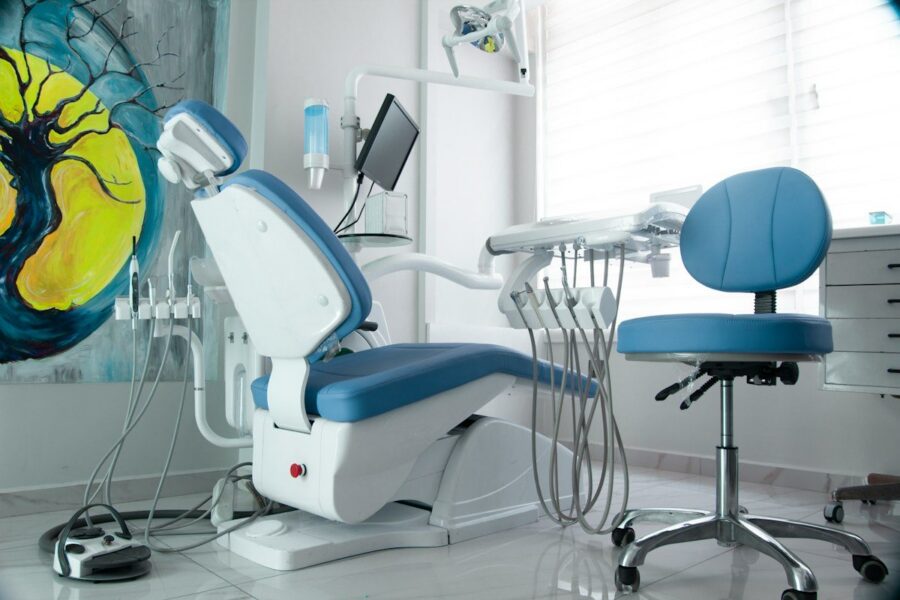


Dental emergencies rarely happen at a convenient time. A cracked molar at dinner, a crown that comes loose on the way to work, a child who slips at practice and chips a front tooth, a dull ache that turns into throbbing pain overnight, these moments have a way of compressing your thinking. People often focus on one thing only: getting seen fast. That urgency makes sense, but what you bring to the appointment can affect how quickly the visit moves, how accurately the dentist can diagnose the problem, and how smoothly any follow-up care unfolds.
When patients arrive at an urgent dental visit prepared, the conversation changes. Instead of spending the first fifteen minutes trying to reconstruct medication names, insurance details, or the timeline of the injury, the team can get to the point. They can assess the problem, take the right images, control pain, and decide whether the tooth can be saved, stabilized, or needs a temporary measure until definitive treatment.
An Emergency Dentist is trained to triage under pressure, but triage works best when the patient brings useful information. In many cases, that does not mean bringing a lot. It means bringing the right things.
Why preparation matters more than people expect
An urgent dental appointment is not the same as a routine cleaning slot with a little extra time tacked on. In a true emergency, the dentist is often trying to answer a short list of high-stakes questions very quickly. Is there infection? Is there swelling that could affect the airway? Is the pain coming from the tooth, the gums, the jaw joint, or referred from somewhere else? Is the tooth fractured above the gumline, below it, or at the root? Has there been trauma that might not be obvious from a quick look?
The answers depend partly on the exam and radiographs, but they also depend on your history. A patient who can say, “The pain started three days ago, gets worse when I lie down, wakes me at night, and ibuprofen only helps for two hours,” gives far more useful information than someone who can only say, “It really hurts.” A parent who brings the broken tooth fragment in milk after a sports injury may give the dentist a better chance of restoring the tooth’s natural shape. A patient on blood thinners who mentions that fact before treatment begins can help the team plan safely if an extraction or incision is needed.
I have seen urgent appointments go in two very different directions. In one, the patient arrives flustered but prepared, hands over a medication list, explains when the pain began, and has already called their insurer to verify basics. The visit is focused and efficient. In the other, the patient is in the same amount of pain but cannot recall allergies, forgot their ID, left their insurance card at home, and took several over-the-counter products without remembering which ones. The clinical problem may be identical, but the path to treatment is not.
The short checklist that actually helps
Bring what will change care, speed up intake, or protect you medically. Most people do not need a bag full of supplies. They need a few essentials.
- Photo ID and dental or medical insurance card, if you have coverage
- A current list of medications, supplements, and any drug allergies
- A brief timeline of symptoms, including when the pain or injury started
- Any dental appliance, restoration, or tooth fragment involved in the emergency
- A method of payment and the contact information for your regular dentist, if applicable
That list looks simple because it is. The value is in the details behind each item.
Identification, insurance, and the practical side of getting treated
At the front desk, the first barrier is often administrative rather than clinical. That can feel frustrating when you are in pain, but it is part of how offices protect patient records, submit claims, and document treatment. A valid photo ID helps confirm who is being treated. If you have dental insurance, bring the physical card or a clear image of it on your phone. If you do not have the card but know the carrier name, member ID, and subscriber information, that can still help.
Emergency visits sometimes reveal a mismatch between what patients assume insurance will cover and what the plan actually allows. Exams and radiographs may be covered differently from treatment done the same day. A temporary filling, pulpotomy, root canal, extraction, or crown recementation may each fall into separate benefit categories. This is one reason the method of payment matters. If the office is out of network, or if your deductible is not met, there may be out-of-pocket costs even when the visit feels undeniably urgent.
If someone else carries the insurance, such as a spouse or parent, bring that person’s full name, date of birth if needed, and subscriber ID. That small detail has rescued many check-ins from a slow, painful detour.
Your medication list is not optional
People underestimate how often medications shape urgent dental care. A patient taking warfarin, apixaban, rivaroxaban, or clopidogrel needs a different conversation before any procedure that may bleed. A patient on bisphosphonates, certain cancer therapies, or immunosuppressive drugs may need extra caution. Someone with a recent joint replacement, complex heart history, or organ transplant may have medical details that affect treatment planning, even if not every case requires premedication.
The office does not need your entire pharmacy history in novel form, but it does need an accurate current list. Include prescription medications, over-the-counter pain relievers, vitamins, herbal products, and anything you took for this problem before arriving. That last part matters. If you took acetaminophen at noon, ibuprofen at two, then another dose of something stronger from an old prescription at four, the dentist needs to know. Medication overlap is common when people are trying to get through a painful day, and it is very easy to lose track.
Allergies matter just as much. “I’m allergic to antibiotics” is not specific enough to guide safe care. If possible, name the drug and what happened. A mild stomach upset is different from hives, swelling, or breathing trouble. The more accurate you are, the safer the plan.
The symptom timeline helps the dentist think clearly
Pain is messy. Patients describe it as sharp, hot, stabbing, pressure-like, pulsing, electric, or “just awful.” All of that is understandable, but what often helps the dentist most is the pattern. Did the pain start after biting something hard? Does cold trigger it for a second, or does cold linger for a minute? Is it spontaneous, or only when chewing? Does it wake you at night? Did swelling come before pain, or after? Has the pain spread toward the ear, jaw, or temple?
When people are stressed, they forget details they absolutely knew an hour earlier. It can help to jot notes in your phone while you are waiting or on the way over. Even a short summary is useful: “Top right pain for four days, worse with cold, severe last night, cheek started swelling this morning.” That sentence may guide the exam more effectively than five minutes of vague recollection.
For injuries, timing is even more important. A knocked-out tooth handled properly within the first hour has a very different prognosis from one that sat dry in a tissue all afternoon. If a child hits their mouth, the dentist may also want to know whether there was any loss of consciousness, nausea, jaw pain, or lip laceration, because those clues can point beyond the tooth itself.
Bring the tooth, the crown, the denture, the retainer, the fragment
If something broke or came out, bring it. Even if you think it looks useless, let the dentist decide. A dislodged crown may be recementable if it is intact and the underlying tooth is suitable. A broken veneer or filling fragment can sometimes help identify what failed. A removable partial denture that suddenly no longer fits can reveal where tissue is swollen or where a clasp bent. An orthodontic retainer or night guard can provide context about your bite or show whether grinding played a role.
The same applies to a chipped tooth fragment after trauma. Place it in a clean container. If it is a whole tooth that has been knocked out and it is a permanent tooth, handle it by the crown rather than the root. If possible, keep it moist in milk or a tooth preservation solution if you have one. Saline can help in a pinch. Plain water is better than letting it dry out, but it is not ideal for preserving the root surface. For baby teeth, do not try to reinsert them yourself. Bring the child in and let the dentist assess the injury safely.
Many people assume a loose crown or bridge is a quick glue job. Sometimes it is. Sometimes the tooth underneath has decay, fracture, or insufficient remaining structure, and what looked simple at home is not simple in the chair. Bringing the restoration still helps because it gives the dentist more options.
If swelling is involved, be ready to answer medical questions
Facial swelling changes the urgency. A small localized gum bump near a tooth can be uncomfortable yet stable. Diffuse swelling into the cheek, floor of the mouth, under the jaw, or around the eye can be much more serious. That is why the team may ask questions that seem unrelated to your tooth at first. Can you swallow normally? Do you have trouble opening your mouth? Is your voice different? Any fever, chills, or bad taste draining into your mouth? Has the swelling spread since this morning?
If you have a thermometer reading, that is useful. If you have taken antibiotics recently, mention which one and when. If another doctor, urgent care, or emergency room started medication, bring the paperwork if you have it. It may save time and reduce duplicate prescribing.
Not every swollen face belongs in a dental office first. If you have difficulty breathing, rapidly spreading swelling, inability to swallow saliva, chest pain, severe trauma, or uncontrolled bleeding, that situation can exceed what an outpatient dental clinic should manage. The right move may be the emergency room. A good Emergency Dentist will tell you that plainly when needed.
For children, one extra layer of preparation matters
Urgent dental visits for children carry a different kind of stress. Parents are often trying to comfort a frightened child while answering questions and making decisions quickly. If the child is not the policyholder, have the insurance and guardian details ready. If someone other than the parent is bringing the child, the office may need consent procedures clarified in advance.
Bring the child’s medication list, including recent antibiotics, ADHD medication, inhalers, or anything taken for fever or pain that day. If the injury occurred at school, a park, or sports practice, note the time and mechanism. “Hit by elbow during basketball” tells a different story from “fell off bike onto pavement.” Soft tissue injuries inside the lip can make a tooth look worse than it is, while a seemingly minor chip can hide deeper trauma to the nerve.
Children also do better when they have one calm adult speaking for them. Too many competing voices in the operatory can make an already urgent visit harder. That is not a supply to bring, but it is one of the most practical forms of preparation.
A few things to leave at home, or at least in perspective
Patients in pain sometimes overpack. They bring every old dental record they can find, x-rays from a decade ago, a shopping bag of partially used toothpaste, and three internet printouts arguing for six different diagnoses. Unless the office specifically requested records, most of that will not help in the moment. Recent records from your regular dentist can be useful if they are easy to access, especially if a root canal or crown was done recently on the same tooth. But if obtaining those https://fernandomivn725.theglensecret.com/broken-tooth-emergency-when-to-see-an-emergency-dentist-immediately records delays treatment, the urgent exam should come first.
The same goes for leftover antibiotics or pain medication. Do not self-prescribe from a prior dental problem and assume it applies now. Tooth pain has many causes, and antibiotics are not a universal fix. A cracked tooth with inflamed pulp often needs dental treatment, not antibiotics. Pain from grinding can mimic infection. A sinus issue can mimic upper tooth pain. The dentist needs a clean picture of what is happening now.
Before you leave home, make one brief phone call
A short call to the office can spare you trouble. Ask whether they need anything specific for your type of emergency. If a tooth has been knocked out, tell them that immediately. If you are taking blood thinners, mention it. If your face is visibly swollen, say so. If you think you may need someone to drive you home because of anxiety medication or the extent of treatment, confirm that plan before you arrive.
This is also the time to ask about forms. Many offices can send digital intake paperwork by text or email. Completing it before arrival is easier than trying to remember your medication list while seated in a waiting room with an ice pack against your cheek.
What the dentist usually wants to know first
During an urgent visit, questions are often front-loaded because the answers shape the exam. Expect the dentist or assistant to ask about the location of the pain, the duration, the trigger, the severity, swelling, trauma, fever, and relevant medical conditions. They may ask what works and what does not. Patients sometimes worry that these questions delay treatment, but in reality they are part of treatment. A tooth that only hurts on release after biting may point toward a crack or ligament inflammation. Pain that lingers after cold can suggest pulpal inflammation. Spontaneous throbbing with swelling and tenderness to pressure can push infection higher on the list.
When patients answer clearly, the visit tends to move faster. If you are too uncomfortable to speak much, even a few prepared notes can carry the story.
Photos can help, but only if they add something
If the swelling looked much worse an hour earlier, or if a crown came out and the site has changed, a photo on your phone can be useful. Dentists often appreciate seeing how the problem evolved, especially if the current presentation is partially masked by medication or draining. Keep expectations realistic, though. Phone photos do not replace an exam, probing, vitality testing, or radiographs. They are context, not diagnosis.
One place where photos help more than people realize is intermittent swelling. If a gum bump appeared in the morning and partially subsided by the appointment, a clear image can validate what is easy to miss in real time.
Payment, time, and treatment decisions under pressure
Emergency dental care sometimes ends with a simple fix the same day. Just as often, it ends with stabilization and a next step. A dentist may prescribe medication, place a temporary restoration, adjust the bite, start root canal access, recement a crown, or extract a non-restorable tooth. The final decision depends on anatomy, infection, restorability, available time, your medical history, and your budget.
That last point is uncomfortable but real. Urgent care often forces fast choices. Save the tooth with root canal therapy and a crown, remove it and plan replacement later, or place a temporary measure to get through the weekend, each path carries trade-offs. Bringing a payment method and understanding that the first appointment may not resolve everything helps reduce friction at exactly the moment you do not need more of it.
A practical example: a patient arrives on Friday afternoon with severe pain in a heavily restored molar. The exam shows a crack and irreversible pulp inflammation, but not enough time remains that day for full definitive treatment. Because the patient came prepared, signed forms quickly, and understood the likely costs, the office can perform pain-relieving interim treatment and arrange the next step without chaos. Preparation does not eliminate the dental problem. It makes room for better decisions.
If you have dental anxiety, say it early
Urgent care and dental anxiety are a rough combination. People often try to hide how frightened they are, then reach a breaking point in the chair. Tell the team upfront. That is useful information, not an inconvenience. If you have taken anti-anxiety medication before dental treatment in the past, mention it. If numbing has been difficult for you previously, say so. If you faint during medical procedures, that matters too.
Bringing a support person can help, provided the office allows it and space permits. So can simple comfort items like earbuds, though these are secondary to the real essentials. The main point is that fear changes communication. The team can work with that if they know.
A sensible way to think about the appointment
The goal of an emergency dental visit is not always to “fix everything today.” Sometimes it is to stop pain, control infection, assess damage, and create a safe path to definitive care. That distinction matters because patients often leave disappointed when the visit results in temporary treatment rather than a full restoration. In urgent dentistry, temporary does not mean inadequate. It means staged appropriately.
That is one more reason to bring your regular dentist’s contact information if you have one. Coordination between the Emergency Dentist and your usual provider can make follow-up cleaner, especially if the office that knows your history will complete the longer-term work.
The calmest patients are not the ones without pain, they are the ones who know what to grab
When people are rushing out the door with a swollen jaw or a broken tooth, they do not need a long packing strategy. They need a short mental script. Grab your ID and insurance details. Pull up your medications. Save a few notes about the symptoms. Bring the broken piece if there is one. Know how you will pay. Then go.
That level of preparation sounds almost too basic to matter. In practice, it matters a great deal. It shortens check-in, sharpens the history, protects you medically, and gives the dental team the information they need to act decisively. In urgent care, small advantages count. A prepared patient gives the dentist a better starting point, and in a true dental emergency, that is often exactly what makes the day more manageable.
Smyle Dental Newhall
23754 Newhall Ave
Santa Clarita, CA 91321, United States
+16612559200
FAQ About Emergency Dentist
Will the ER do anything for dental pain?
An emergency department can assess serious complications and provide temporary care, but it usually cannot provide definitive dental treatment such as a filling or root canal. A dentist needs to identify and treat the cause. Call 911 or seek emergency medical care for difficulty breathing or swallowing, major facial injury, or uncontrolled bleeding.
What qualifies as a dental emergency?
A knocked-out permanent tooth, severe or persistent dental pain, swelling, and a broken tooth with pain need prompt professional assessment. Contact a dentist immediately for guidance on how urgently to be seen. Rapidly spreading swelling or swelling that affects breathing or swallowing requires emergency medical care.
What to do if I have a dental emergency in the middle of the night?
Call your dentist's office for after-hours instructions. Smyle Dental Newhall can be reached at (661) 255-9200; confirm when treatment is available. Do not wait for the office to open if you have trouble breathing or swallowing, uncontrolled bleeding, or a major facial injury. For a toothache while arranging dental care, gently rinse with warm water and avoid putting aspirin directly on the tooth or gums.